
Iron County’s Most Wanted Program
Iron County has no public most-wanted program. There is no local roster, reward schedule, or roundup page. The Sheriff's site does not host a curated list of wanted people. Instead, it points to Utah BCI for warrant checks. That gap does not mean the county ignores fugitives. Investigators can pursue cases without publishing names. It simply means anyone looking for official Iron County material will not find a wanted list here. Official systems, not copied rosters, are the reliable route.
Iron County Has No Public Roster
Iron County publishes no most-wanted list. No reward terms, posting schedule, or Crime Stoppers page exists either. The Sheriff's Check Warrants button opens the statewide search. That tool returns any Utah warrant entry tied to your name, not a hand-picked roster of wanted people. For the official routes, start with the Sheriff homepage and the BCI landing page. A lower-court matter belongs to Iron County Justice Court, and its contact page shows the court route, though it posts no wanted list.
How the Most Wanted Lists Work
A most-wanted list serves one purpose: an agency picks a few cases and asks the public for tips. A statewide active-warrant search works differently. It pulls matches from a broad court file, with public-access and update limits. Iron County offers the second route, not the first. The inmate roster is a third thing entirely. It shows current custody and bond fields, and recent bookings cover a short arrest window. Neither one is an outstanding-warrant list or a most-wanted roster. For the current limits of the statewide file, see the Iron County Outstanding Warrants page.
No Local Reward or Update Schedule
Iron County publishes no reward for tips about fugitives. No anonymous-tip process, update schedule, or eligibility rules appear anywhere official. Treat a general contact form as just that. It does not guarantee anonymity. If the county announces a program later, confirm the details on the agency's own page. Check who runs it, how tips come in, what the reward requires, and when names come down. That is the only version worth trusting.
Reporting a Tip Safely
For non-emergency information, use the contact options on the Iron County Sheriff website and follow the instructions posted there. No dedicated most-wanted tip line or reward form exists locally. Never send personal details to a number that came from an unsolicited message. If you face an immediate threat, call 911. Do not approach or try to detain anyone yourself. A tip channel passes information to law enforcement. It is not permission to investigate a person on your own.
Verify the route: Use an official agency page and check whether it labels the form as a general crime tip or a specific wanted-program submission.
Federal Fugitive Lists Are Separate
The U.S. Marshals Service runs federal fugitive investigations and task forces. That work sits outside Iron County. Federal matters belong in federal courts, with federal agencies. A clean result in the Utah statewide warrant file cannot rule out a federal or out-of-state process. The USMS fugitive-investigations page explains that role. PACER docket access is separate from any warrant-status search and may not show sealed material.
Most Wanted Lists vs Active Warrants
Most wanted and active warrant are different things. The first is a public appeal an agency chooses to highlight. The second is an order a court or system still reports as live. Iron County posts no local warrant roster of its own. The state's BCI does run a statewide warrant search anyone can use. A most wanted page shows a subset of cases, not every open warrant, and a missing county roster says nothing about how many exist.
| Resource | What it covers | Iron County route |
|---|---|---|
| Most-wanted program | Curated public tip appeal | No official local roster located |
| Utah Statewide Warrants | State-file warrant matches | Free public search through BCI |
| Jail roster | Current custody fields | Sheriff/Jail interface, not a warrant list |
PACER Is a Federal Docket Tool
PACER searches federal case dockets. It is not a nationwide warrant database. Some complaints and warrant materials stay sealed, and access fees can apply. CourtListener/RECAP offers free copies of some docket material, but it is incomplete and not an official warrant-status source. For Iron County residents, federal docket tools answer nothing about local matters. The official PACER pricing page lays out the fees and search rules that govern federal access.
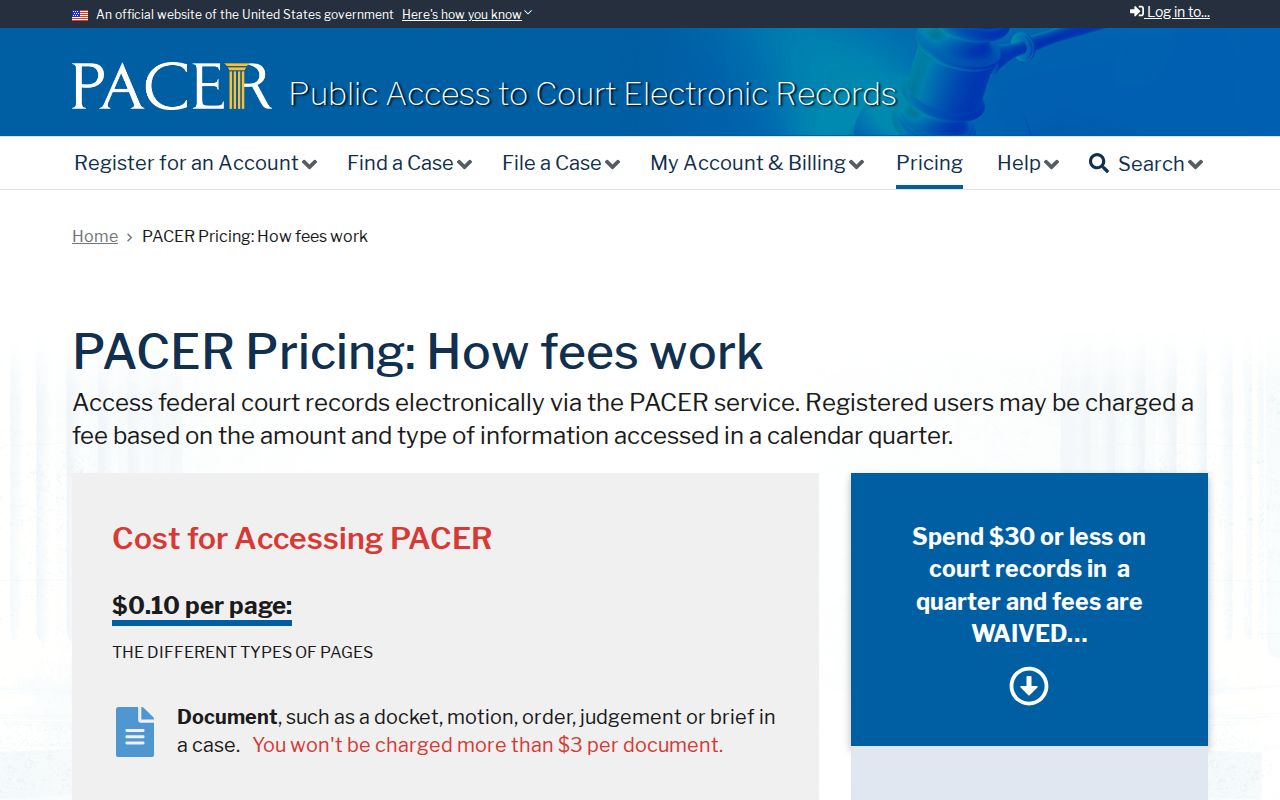
PACER is a federal docket tool. It serves federal courts only, not any Iron County warrant file or live list.
If You Think You Are on a List
Checking your own status starts with Utah BCI. Search your name, then contact the court named in any match. Ask the clerk or your lawyer what action the case needs. A tip form or third-party roster cannot confirm your status or arrange an appearance. A federal concern goes to counsel and the proper federal court or U.S. Marshals office. Iron County residents should not rely on copied online profiles. Never approach a suspected fugitive.
Do not approach: Send information through an official agency channel and let law enforcement assess it. For your own case, contact counsel or the court.
Iron County Warrant Tips and Scams
Scammers have worked this angle hard in Iron County. Officials there warn of calls, texts, QR codes, and demands for ATM, Bitcoin, or third-party bail payments tied to fake warrant or citation claims. Hang up and pull the court or Sheriff number from its official website yourself. Never pay anyone who says a private transfer will remove a warrant. Ask the issuing court what the real payment, bond, or appearance step is.